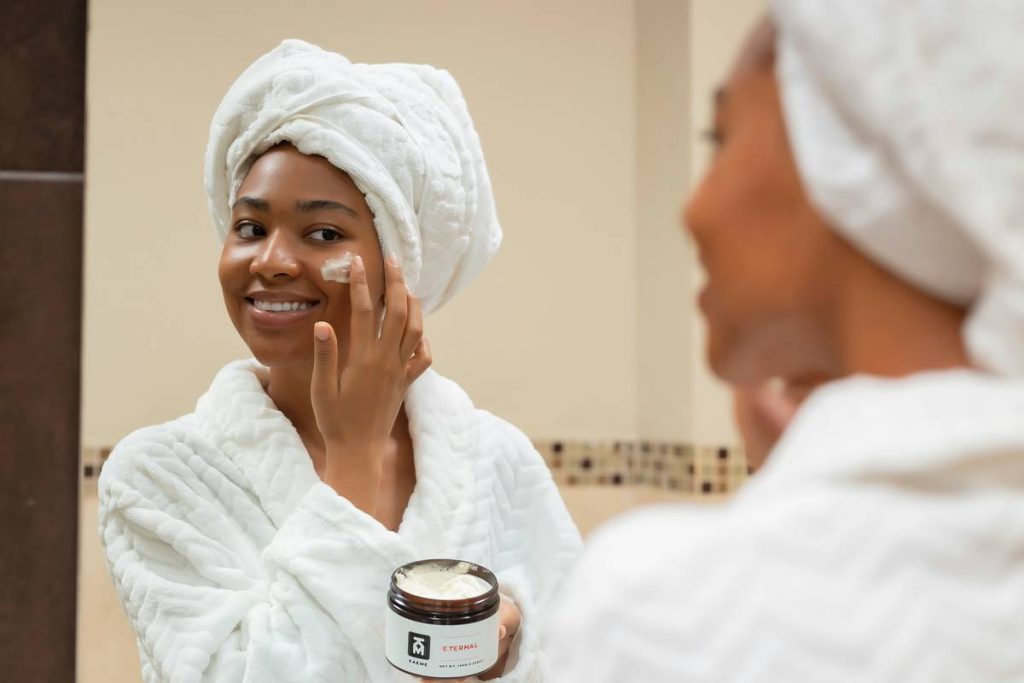
Your skin barrier is compromised. You see redness, tightness, flaking—maybe even tiny bumps that won’t quit. You’ve slathered on creams claiming “repair” but woke up drier than before. The truth? Most moisturizers sit on the surface. But a true face oil that repairs skin works at the lipid level—rebuilding what’s broken from within.
Why Standard Moisturizers Fail to Repair Skin
Drugstore creams rely on occlusives like petrolatum or dimethicone—they lock in moisture but don’t replenish ceramides, fatty acids, or cholesterol. That’s like patching a roof without fixing the beams underneath.
And face oils? Many are just carrier oils with zero bioactive repair potential. Jojoba oil mimics sebum—great for balance, lousy for healing damaged barriers. Rosehip? Loaded with vitamin A, yes—but unstable, oxidizes fast, and irritates sensitive types.
Here’s the reality: if your oil doesn’t contain barrier-repairing lipids in a 3:1:1 ratio (ceramides:fatty acids:cholesterol), it’s not repairing. It’s masking.
How to Choose & Use a Face Oil That Repairs Skin
Forget trial-and-error. This isn’t about layering ten products—it’s precision formulation meeting smart application.
Step 1: Decode the Ingredient List
Look for squalane (not squalene—stable vs. rancid), phytosphingosine, and non-comedogenic triglycerides like caprylic/capric triglyceride. Avoid “fragrance,” essential oils, or anything ending in “-ol” unless it’s panthenol or niacinamide.
Step 2: Apply on Damp Skin—Always
Oils seal. They don’t hydrate. Apply to slightly wet skin post-cleanser or mist. This traps water while delivering lipids directly to where your barrier needs reinforcement.
Step 3: Layer Strategically
If using actives like retinoids or AHAs at night, apply your face oil that repairs skin as the final step. It buffers irritation and prevents transepidermal water loss (TEWL)—the silent killer of compromised skin.

| Oil Type | Repair Capability | Comedogenic Rating | Best For |
|---|---|---|---|
| Bakuchiol + Squalane Blend | High (stimulates collagen + seals barrier) | 1 | Aging, sensitized skin |
| Pure Marula Oil | Moderate (rich in oleic acid—but heavy) | 3 | Dry, non-acne-prone types |
| Linoleic-Dominant Hemp Seed Oil | High (restores lipid balance in acneic skin) | 0 | Oily, breakout-prone, inflamed skin |
| Sunflower Seed Oil (Cold-Pressed) | Very High (ideal 1:1 linoleic/oleic ratio + vitamin E) | 0 | All skin types, especially eczema-prone |
Step 4: Night > Day (Usually)
Use your repair oil at night when skin’s natural regeneration peaks. Morning? Stick to antioxidants under sunscreen. Unless you’re in arid climates—then a pea-sized amount under SPF can prevent environmental stripping.
The Industry Secret: Not All “Natural” Oils Are Equal
Cosmetic chemists know this but rarely say it aloud: cold-pressed matters less than oxidation control. An oil bottled in clear glass exposed to light degrades in days—rendering its “repair” claims useless. Look for airless, opaque packaging with nitrogen-flushed fills. That’s how clinical-grade stability is maintained. And here’s the kicker—many indie brands skip this to cut costs. You’re paying premium prices for rancid lipids. Sad, but true.
Think about it: would you eat nuts left open on the counter for weeks? Your skin deserves better.
Frequently Asked Questions
Can a face oil really repair a damaged skin barrier?
Yes—if it contains barrier-identical lipids (ceramides, cholesterol, fatty acids) and is applied correctly on damp skin.
Is face oil that repairs skin suitable for oily or acne-prone skin?
Absolutely. Linoleic-rich oils like hemp or sunflower actually regulate sebum and reduce inflammation without clogging pores.
How long does it take to see results from a repair-focused face oil?
Most notice reduced redness and tightness within 3–5 nights. Full barrier recovery typically takes 2–4 weeks of consistent use.