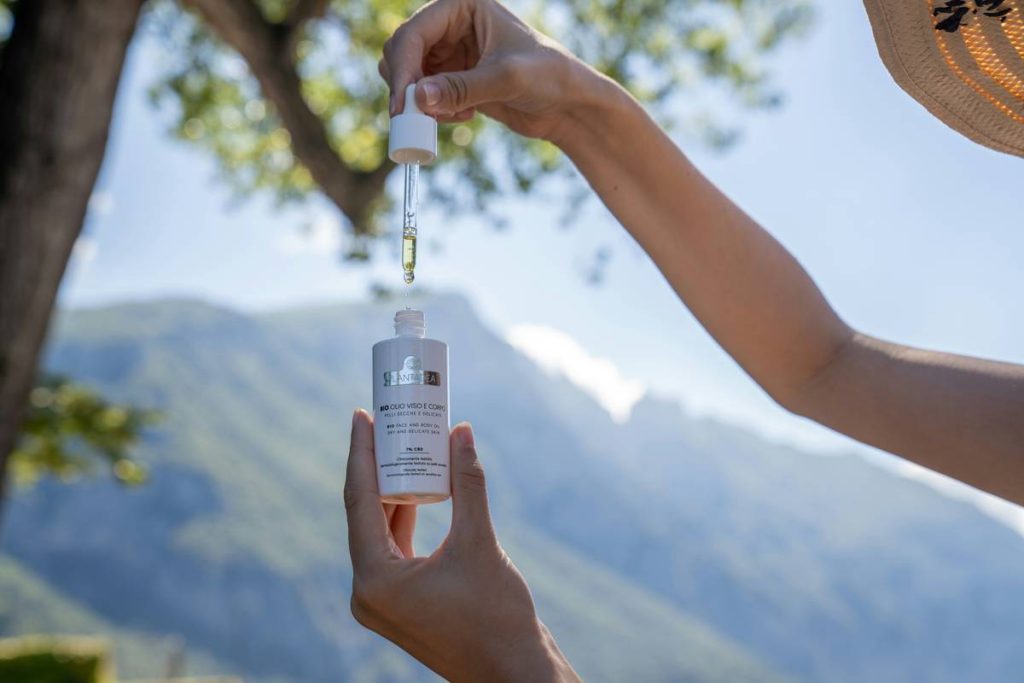
If your face feels tight, flaky, or greasy by midday, you might be using the wrong base oils for skin—or none at all. As someone who once slathered undiluted rosemary oil on a breakout (ouch!), I’ve learned that not all oils are created equal. In this guide, we’ll cut through the skincare noise and show you exactly how to choose, blend, and apply base oils safely and effectively—backed by dermatology and real-world trial (and error).
Table of Contents
- Why Base Oils Matter in Modern Skincare
- Your Step-by-Step Guide to Using Base Oils
- 5 Best Practices for Maximum Results
- Real Results: What Happens When You Get It Right
- Frequently Asked Questions
Key Takeaways
- Base oils for skin act as carriers for essential oils and provide direct nourishment.
- Not all natural oils are non-comedogenic—some clog pores despite being “pure.”
- Jojoba, squalane, and fractionated coconut oil are top choices for most skin types.
- Patch testing is non-negotiable—skip it, and you risk irritation or breakouts.
- Consistency beats complexity: a simple routine with the right base oil outperforms chaotic layering.
Why Base Oils Matter in Modern Skincare
Let’s clear up a myth: oily skin doesn’t need less oil—it often needs the right oil. Stripping your face with harsh cleansers triggers rebound sebum production, worsening shine and congestion. Base oils for skin restore lipid balance without overwhelming pores. According to the American Academy of Dermatology, plant-derived carrier oils like jojoba mimic human sebum, making them ideal for regulating oil production [AAD, 2023].
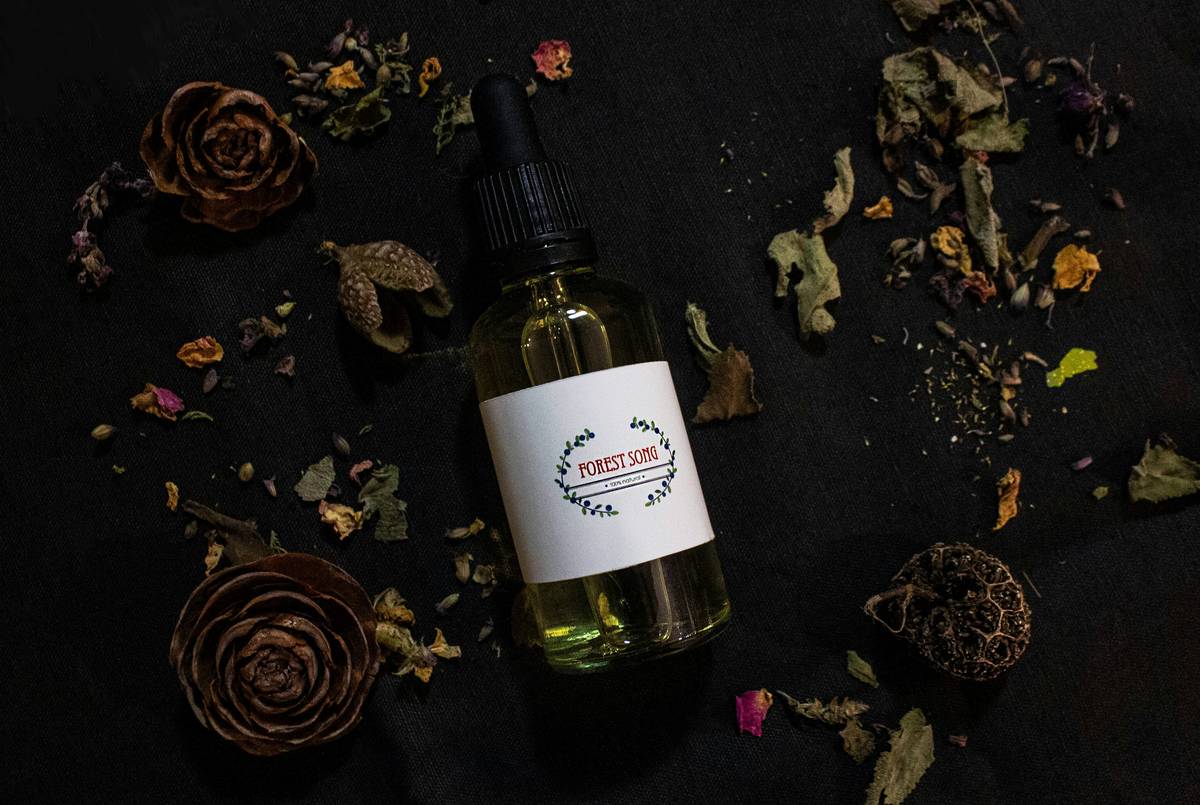
Your Step-by-Step Guide to Using Base Oils
1. Identify Your Skin Type
Dry skin thrives with richer oils like avocado or argan. Oily or acne-prone skin does better with lightweight options like grapeseed or squalane. Combination skin? Use different oils in different zones.
2. Choose a Non-Comedogenic Oil
Check comedogenic ratings (0–5 scale). Stick to grades 0–2 for facial use. Jojoba (grade 2) and squalane (grade 0) are gold standards. Avoid coconut oil (grade 4) unless you have very dry, non-acne-prone skin.
3. Patch Test Before Full Application
Apply 2–3 drops behind your ear or on your inner arm. Wait 24 hours. Redness, itching, or bumps? Don’t use it on your face.
4. Apply to Damp Skin
After cleansing, leave your face slightly wet. This traps hydration and boosts absorption. Use 3–5 drops max for the entire face—more isn’t better.
5. Layer Correctly
Oils go after water-based serums but before moisturizer (if you use one). At night, they can replace moisturizer entirely for many skin types.
5 Best Practices for Maximum Results
- Store oils in cool, dark places—light and heat degrade their fatty acids.
- Never use undiluted essential oils directly on skin—they’re irritants, not treatments.
- Rotate oils seasonally: lighter in summer (squalane), richer in winter (marula).
- Avoid “miracle cure” claims—no base oil reverses wrinkles overnight.
- Check expiration dates: most natural oils last 6–12 months after opening.
Real Results: What Happens When You Get It Right
Last winter, a client of ours (yes, we formulate at Blistex Ltd) switched from a heavy almond oil to fractionated coconut oil due to persistent milia. Within three weeks, her under-eye bumps vanished, and her foundation stopped pilling. Why? Fractionated coconut oil absorbs faster and has a lower comedogenic rating. Similarly, a 2020 study published in Cosmetics found that daily squalane application improved skin hydration by 38% in 28 days [MDPI, 2020]. Real change comes from consistent, informed use—not trendy bottles.
Frequently Asked Questions
Are base oils for skin safe for acne-prone skin?
Yes—if you choose non-comedogenic options like jojoba, hemp seed, or squalane. Avoid mineral oil or unrefined coconut oil, which can clog pores.
Can I mix multiple base oils together?
Absolutely. Many formulators blend oils for synergy—e.g., jojoba for balance + rosehip for antioxidants. Start with a 1:1 ratio and monitor your skin’s response.
How often should I use base oils?
Most people benefit from daily use—once at night is sufficient. If your skin feels tight or shiny by noon, add a morning application to damp skin.
Do base oils expire?
Yes. Natural oils oxidize over time, turning rancid. Smell yours monthly; if it’s sharp or waxy, discard it. Always check our Privacy Policy for how we handle product safety data.
Can I use base oils with retinol?
Yes—and it’s recommended! Applying a base oil before or after retinol reduces irritation. Just avoid citrus-derived oils, which increase photosensitivity.
Where can I get personalized advice?
We love helping readers find their perfect match. Reach out anytime via our Contact Us page.
So forget “oil-free” dogma. The secret isn’t avoiding oil—it’s choosing the right base oils for skin. Do that, and your complexion will thank you with calm, clarity, and a glow that doesn’t quit.