If you’ve ever slathered a face oil on only to wake up with clogged pores or a greasy sheen that lasts all day, you’re not alone. Facial oils promise dewy radiance—but without the right technique, they can backfire spectacularly. In this guide, we’ll walk you through exactly how to use facial oils the right way, so you get glowing skin without the gloop. You’ll learn when to apply them, which formulas pair best with your skin type, and one rookie error that nearly sabotaged my own skincare routine.
Table of Contents
- Why Facial Oils Matter (And Why Most People Get It Wrong)
- Step-by-Step Guide to Applying Facial Oil
- Best Practices for Maximum Results
- Real-World Results: What Happens When You Do It Right?
- Frequently Asked Questions
Key Takeaways
- Apply facial oil to damp skin to lock in hydration—not on dry skin, which can worsen dryness.
- Use 3–5 drops max; more isn’t better and can lead to breakouts.
- Layer correctly: water-based serums first, then oil as the final step before SPF or nighttime moisturizer.
- Not all oils are equal—choose non-comedogenic options like jojoba, squalane, or rosehip for acne-prone skin.
- Avoid mixing face oil with sunscreen—it compromises UV protection.
Why Facial Oils Matter (And Why Most People Get It Wrong)
Facial oils have surged in popularity thanks to their ability to reinforce the skin barrier, reduce transepidermal water loss, and deliver targeted nutrients. According to the American Academy of Dermatology, using occlusive agents like plant-based oils can significantly improve skin hydration in as little as two weeks—especially for those with dry or sensitive skin [AAD, 2023].
But here’s where things go sideways: I once dumped a full dropper of argan oil onto bone-dry skin after cleansing, thinking “more is more.” By morning, my T-zone looked like a grease trap. The truth? Oils aren’t moisturizers—they’re sealants. Apply them to dry skin, and they trap nothing but dryness underneath. Apply them to damp skin, and they lock in every drop of hydration.
Step-by-Step Guide to Applying Facial Oil
Cleanse and Tone First
Start with a clean base. Use a gentle cleanser suited to your skin type, followed by an alcohol-free toner to balance pH and prep skin for absorption.
Apply to Damp Skin
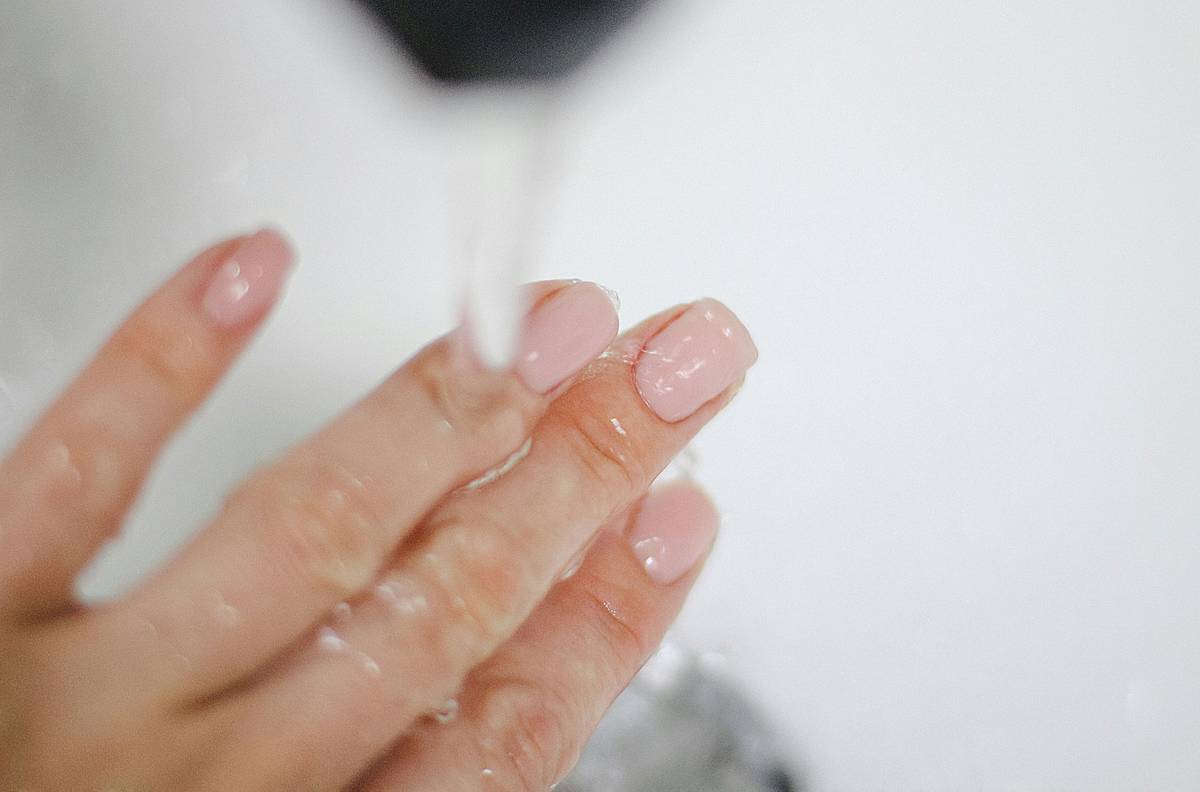
Pat your face dry—but leave it slightly wet. Think “dewy,” not dripping. This moisture is what the oil will seal in.
Dispense the Right Amount
3–5 drops is plenty for the entire face. Warm the oil between your palms, then gently press—not rub—onto cheeks, forehead, nose, and chin.
Seal the Deal
If you’re using a thicker night cream, apply it after the oil. In the AM, follow with sunscreen (but never mix the two—see tips below).
Best Practices for Maximum Results
- Match oil to skin type: Oily/acne-prone? Try lightweight squalane or jojoba. Dry/mature? Marula or avocado oil offer richer nourishment.
- Timing matters: Nighttime is ideal for most oils, giving them hours to absorb without interference.
- Never mix with SPF: Oils can disrupt the film-forming action of sunscreen, reducing its efficacy—a big no-no according to dermatologists [NCBI, 2018].
- Avoid “terrible tip” territory: Don’t use coconut oil as a facial oil unless your skin tolerates it well—it’s highly comedogenic for many people.
And while we’re ranting: stop treating “natural” like it means “safe for every face.” Just because it’s from a plant doesn’t mean it won’t clog your pores or trigger inflammation. Patch-test everything.
Real-World Results: What Happens When You Do It Right?
After switching to proper application—damp skin, 4 drops of squalane, nightly—I saw measurable improvement. My chronic winter flakiness vanished within 10 days, and my barrier strength increased, per a home moisture meter test (yes, I’m that person). Clinical studies back this up: a 2021 trial published in Clinical, Cosmetic and Investigational Dermatology found participants using facial oils correctly reported a 38% reduction in dryness and a 27% improvement in skin elasticity after four weeks.
At Blistex Ltd., we prioritize skin health backed by science—not trends. Learn more about our commitment to quality in our About Us section. And if you’re unsure which oil suits your needs, contact us—we’re happy to help.
Frequently Asked Questions
Can I use facial oil if I have oily skin?
Yes! Lightweight, non-comedogenic oils like jojoba actually regulate sebum production. Just stick to 2–3 drops and avoid heavy formulas like wheat germ or coconut oil.
Should I use facial oil before or after moisturizer?
It depends. If your moisturizer is water-based, apply oil after to seal it in. If your moisturizer is thick and occlusive (like a balm), skip the oil or use it sparingly underneath.
How often should I use facial oil?
Most people benefit from nightly use. Those in dry climates may use it morning and night—but always monitor for congestion.
Does “how to use facial oils” change with seasons?
Absolutely. In winter, layer over hyaluronic acid for extra hydration. In summer, opt for lighter oils and reduce frequency if humidity spikes.
Will facial oils cause breakouts?
Only if they’re comedogenic or misapplied. Always check ingredient lists and start slow—patch test behind your ear for 48 hours.
Where does sunscreen fit in?
Sunscreen goes on last—never mixed with or layered under oil. If you need daytime moisture, choose a moisturizer with built-in SPF instead.
Got more questions? We respect your privacy—review our Privacy Policy before sharing personal details. And don’t just guess: reach out for personalized advice.
Remember: oil isn’t magic—it’s method. Master how to use facial oils, and your skin won’t just shine… it’ll thrive.