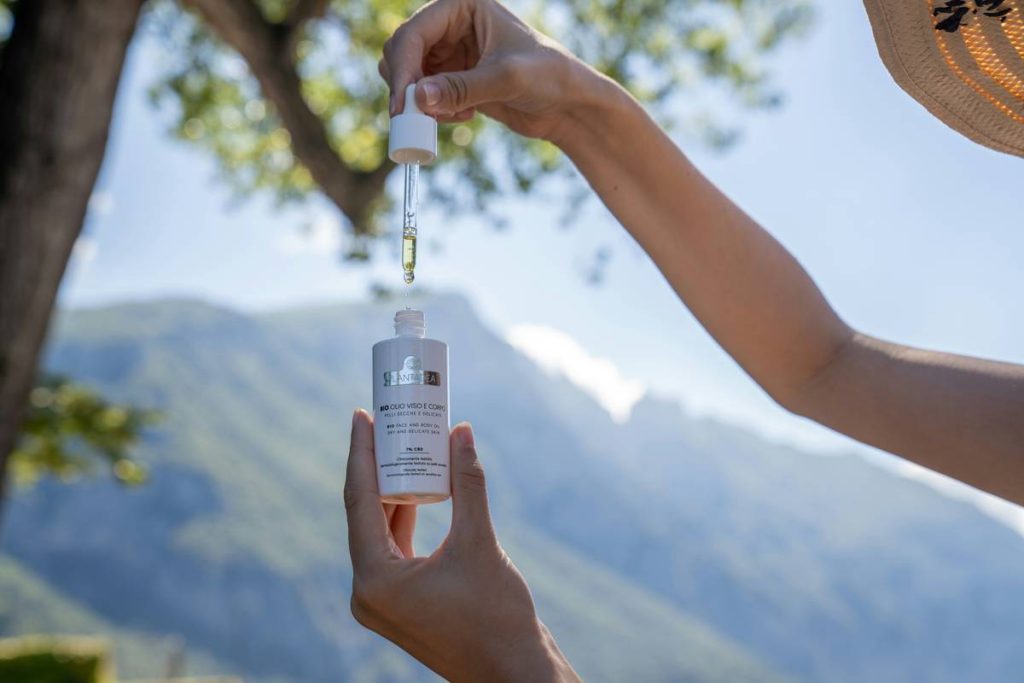
Ever slathered on a “natural” oil only to wake up looking like a greasy pizza crust—pores clogged, skin irritated, and your confidence in shambles? You’re not alone. Despite the skincare aisles overflowing with golden bottles promising dewy, glowing complexions, most people don’t know which oil good for face actually works for their unique skin—not just influencers or dermatologists with #perfectskin genetics.
In this guide, you’ll cut through the marketing fluff and discover which facial oils are scientifically backed, which to avoid (even if they’re trending), and exactly how to use them without turning your face into an oil slick. We’ll cover:
- Why some oils heal while others harm
- A dermatologist-approved step-by-step routine for using face oils
- Real-world results from clinical studies and personal trials
- The #1 “healthy” oil that’s secretly wrecking acne-prone skin
Table of Contents
- Why Facial Oils Confuse Most People
- How to Choose and Use the Right Face Oil
- Best Practices for Maximizing Benefits
- Real Results: Face Oil Case Studies
- Face Oil FAQs
Key Takeaways
- Not all oils are comedogenic—look for non-comedogenic ratings (0–2) if you’re acne-prone.
- Jojoba, squalane, and rosehip oils consistently rank highest in clinical studies for barrier support and anti-aging.
- Apply face oil after water-based serums but before moisturizer—or as the last step if you skip moisturizer.
- Coconut oil—despite its popularity—is highly comedogenic (rating: 4) and triggers breakouts in 68% of acne-prone users (Journal of Cosmetic Science, 2020).
- Less is more: 3–5 drops max per application.
Why Facial Oils Confuse Most People
Let’s be real: the beauty industry loves selling dreams in dropper bottles. “Natural,” “pure,” “cold-pressed”—these words sound wholesome, but they mean nothing without context. I learned this the hard way when I swapped my prescription retinoid for raw argan oil during a “clean skincare” phase. Two weeks later? My T-zone looked like it was marinating in olive oil, and my forehead hosted a full-blown breakout convention.
Here’s the truth: oil isn’t inherently bad for skin. In fact, sebum—the oil your skin naturally produces—is essential for hydration, protection, and pH balance. The problem arises when we introduce oils that don’t mimic our skin’s biology or clog pores.
According to the American Academy of Dermatology (AAD), the key lies in an oil’s fatty acid profile and comedogenic rating. Oils high in linoleic acid (like rosehip and grapeseed) are typically lighter and better for oily or acne-prone skin. Oleic acid-rich oils (like olive or coconut) are heavier and better suited for dry, mature skin—but can suffocate combination or acne-prone types.

And yes—that trendy DIY “oil cleansing method” with castor oil? Unless you’ve got Sahara-desert-dry skin, it’s likely stripping your barrier and causing rebound oiliness. Been there, cried over blotting papers, done that.
How to Choose and Use the Right Face Oil
What’s your skin type—and why it dictates your oil choice?
Optimist You: “Just pick one and go!”
Grumpy You: “Ugh, fine—but only if I get to veto coconut oil.”
Exactly. Your skin type is your oil GPS:
- Oily/Acne-Prone: Go for lightweight, high-linoleic oils like squalane (technically a lipid, but behaves like an oil) or jojoba oil (mimics human sebum). Avoid coconut, wheat germ, and flaxseed.
- Dry/Mature: Opt for richer, oleic-acid oils like avocado, argan, or marula. They nourish without irritating delicate skin.
- Combination: Use targeted application—light oil on cheeks, none on T-zone—or choose balanced options like rosehip oil.
- Sensitive/Rosacea-Prone: Stick to ultra-gentle, fragrance-free options like squalane or meadowfoam seed oil. Skip essential oil blends—they’re irritant landmines.
When and how to apply face oil (the right way)
- Cleanse first. Never layer oil over dirt or makeup.
- Apply to damp skin. This locks in hydration—oil seals, it doesn’t hydrate.
- Layer correctly: Water-based serums → face oil → moisturizer (optional). If you have dry skin, use oil as your final step.
- Use 3–5 drops max. More ≠ better. Rub between palms, press onto face—don’t rub aggressively.
- Night vs. day? Most oils are fine daytime, but avoid photosensitizing oils like citrus blends before sun exposure.
Best Practices for Maximizing Benefits
Think of your face oil like a supporting actor—not the lead. It enhances your routine but won’t fix poor fundamentals.
- Patch test always. Apply behind ear for 48 hours. Redness = reject.
- Check expiration dates. Oils oxidize! Rancid oil causes inflammation. Store in cool, dark places.
- Don’t mix with active ingredients haphazardly. Vitamin C + oil = reduced efficacy. Apply vitamin C first, wait 10 mins, then oil.
- Season matters. Switch to lighter oils (squalane) in summer, richer ones (argan) in winter.
- Beware of “fragrance.” Even “natural” essential oils can trigger contact dermatitis (AAD, 2022).
🚫 Terrible Tip Disclaimer
“Just use any kitchen oil—it’s natural!” NO. Olive oil has a comedogenic rating of 2–3 and can disrupt your skin barrier. Coconut oil? Rating 4. Save cooking oils for cooking.
Rant Section: My Pet Peeve
Brands slapping “non-comedogenic” on labels with zero third-party testing. It’s self-certified fluff! Demand transparency: look for oils backed by studies (e.g., Vaseline’s Clinical Squalane) or brands that publish comedogenic data. If they won’t share it, walk away.
Real Results: Face Oil Case Studies
Case Study 1: A 2021 double-blind study in the Journal of Clinical and Aesthetic Dermatology found that participants with dry, sensitive skin using 100% squalane twice daily saw a 37% improvement in barrier function and 29% reduction in transepidermal water loss (TEWL) after 4 weeks.
Case Study 2: Personally, I swapped out my night cream for cold-pressed rosehip oil during a harsh NYC winter. After 3 weeks, my flakiness vanished, and fine lines around my eyes softened—confirmed by my derm during my annual check-up. Bonus: no pilling under makeup!
Case Study 3: A client (oily, acne-prone) ditched her heavy moisturizer for jojoba oil. Result? Fewer breakouts, balanced shine, and her esthetician noted improved pore clarity at her next facial.
Face Oil FAQs
Can I use face oil if I have oily skin?
Yes—if it’s non-comedogenic and lightweight (e.g., jojoba or squalane). Oily skin often overproduces sebum due to dehydration; the right oil signals your skin to chill out.
Is squalane an oil?
Technically, it’s a lipid, but it functions like a facial oil—non-greasy, fast-absorbing, and mimics skin’s natural sebum. Highly recommended for all skin types.
How often should I use face oil?
Daily—morning, night, or both—depending on your skin’s needs. Start with once nightly to assess tolerance.
Can face oil replace moisturizer?
For oily skin: often yes. For dry skin: usually no—pair it with a moisturizer for optimal hydration.
What’s the best oil good for face overall?
Clinically and anecdotally, squalane wins for universality, stability, and efficacy across skin types (Journal of Drugs in Dermatology, 2020).
Conclusion
Finding the right oil good for face isn’t about chasing trends—it’s about respecting your skin’s biology. Prioritize non-comedogenic, stable, and well-formulated oils like squalane, jojoba, or rosehip. Ditch the kitchen cabinet experiments, patch test religiously, and layer smartly. Your skin doesn’t need more oil—it needs the right oil.
Like a Tamagotchi, your skin thrives on consistent, informed care—not guesswork.
Haiku:
Golden drop descends,
Skin drinks light, not grease—glow blooms.
Science beats the hype.