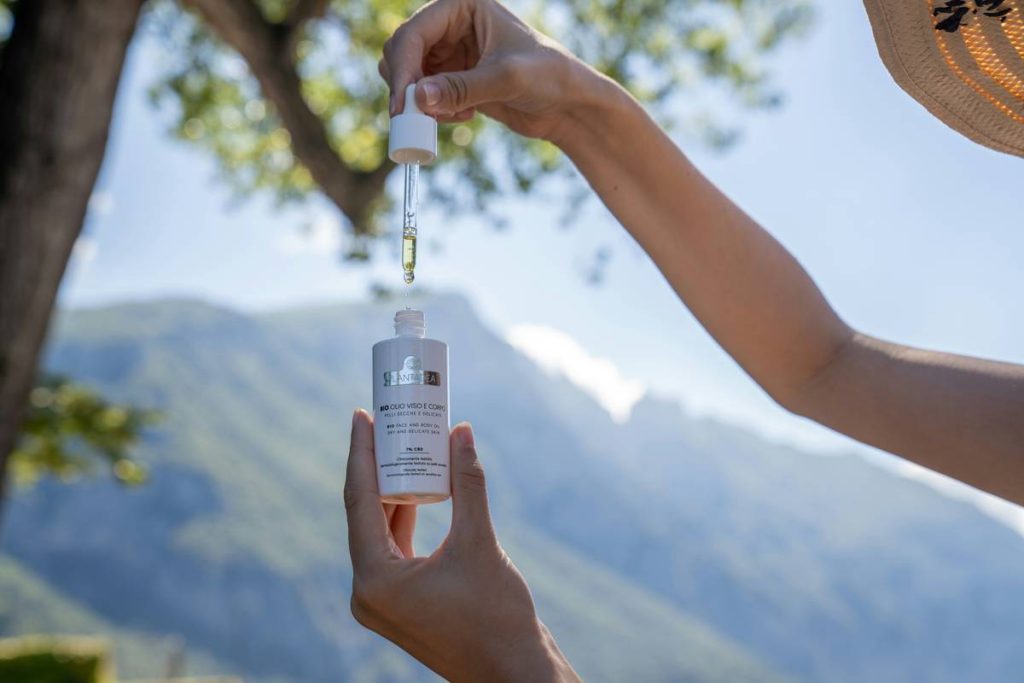
Combination skin feels like a betrayal: oily T-zone by noon, tight cheeks by evening. Slather on heavy creams? Breakouts flare. Skip moisture? Flaking intensifies. You’re stuck in skincare purgatory—until you realize most “balancing” formulas are just marketing fluff. The right face oil for combination skin doesn’t smother; it recalibrates.
Why Most Face Oils Fail Combination Skin (Spoiler: They Ignore Biology)
Combination skin isn’t “dry + oily.” It’s hormonally driven sebum overproduction in the center of your face, paired with a compromised barrier on the perimeter. Standard oils—coconut, argan, even some “non-comedogenic” blends—deliver uniform saturation. That’s fine if your entire face craves moisture. But here? You’re feeding oil to zones already drowning in it. And starving the parched edges. The result? Congestion where you don’t need it. Tightness where you do.
Think about it: applying the same oil everywhere is like watering a cactus and a fern with the same hose setting. One drowns. The other crisps.
Your Step-by-Step Guide to Using Face Oil for Combination Skin
Forget one-size-fits-all. Precision application is everything. Follow this ritual:
Step 1: Prep with pH-Balanced Cleanser
Wash with a gel or low-foam cleanser around pH 5.5. Hot water strips lipids—use lukewarm. Pat dry. Never rub.
Step 2: Apply Hydrating Toner (Alcohol-Free)
Look for glycerin, hyaluronic acid, or betaine. This step primes absorption so your oil doesn’t sit on top—where it can trap debris.
Step 3: Targeted Oil Application—Not All-Over
Dab 2–3 drops onto clean fingertips. Press firmly onto dry cheek areas only. Avoid forehead, nose, chin unless patch-testing shows tolerance. Let it sink in 60 seconds before next step.
Step 4: Optional Light Moisturizer on Oily Zones
If your T-zone feels tight post-cleansing (rare but possible), use a water-based gel moisturizer. Never layer oil over it.

| Oil Type | Comedogenic Rating | Ideal for Cheeks? | Risk on T-Zone? |
|---|---|---|---|
| Squalane (plant-derived) | 0 | ✅ Excellent | Low |
| Jojoba Oil | 2 | ✅ Good | Moderate (use sparingly) |
| Argan Oil | 0 | ✅ Good | Low—but can feel heavy |
| Coconut Oil | 4 | ❌ Avoid | High—guaranteed congestion |
| Marula Oil | 3–4 | ⚠️ Risky | Very High |

The Industry Secret: Pre-Emulsify Your Oil
Here’s what formulators won’t tell you: pure oils struggle to integrate with the skin’s natural moisture matrix—especially when humidity shifts. The fix? Pre-emulsify. Mix 2 drops of your chosen oil with 3 spritzes of facial mist in your palm. Rub hands together briskly for 5 seconds. Now apply. This creates a micro-emulsion that absorbs faster, reduces surface residue, and prevents occlusion in humid climates. It’s why boutique dermatology clinics use oil-in-water delivery systems—and you can DIY it at home with zero extra cost.
And yes—it works even with budget oils. The technique matters more than the price tag.
FAQ: Real Questions from Real Combination Skin Users
Can I use face oil for combination skin if I have acne?
Only if it’s non-comedogenic (rating 0–2) and applied away from active breakouts. Squalane is your safest bet—it mimics skin’s own squalene without feeding bacteria.
When should I apply face oil: morning or night?
Night is ideal—less sweat, less pollution interference. But if your AM routine lacks hydration and you wear mineral sunscreen, a pre-emulsified oil under SPF 30+ works fine.
Will face oil make my shiny T-zone worse?
If applied correctly—only to dry zones—no. Shiny areas usually signal dehydration, not excess oil. Still, never apply oil directly to forehead/nose without patch testing first.