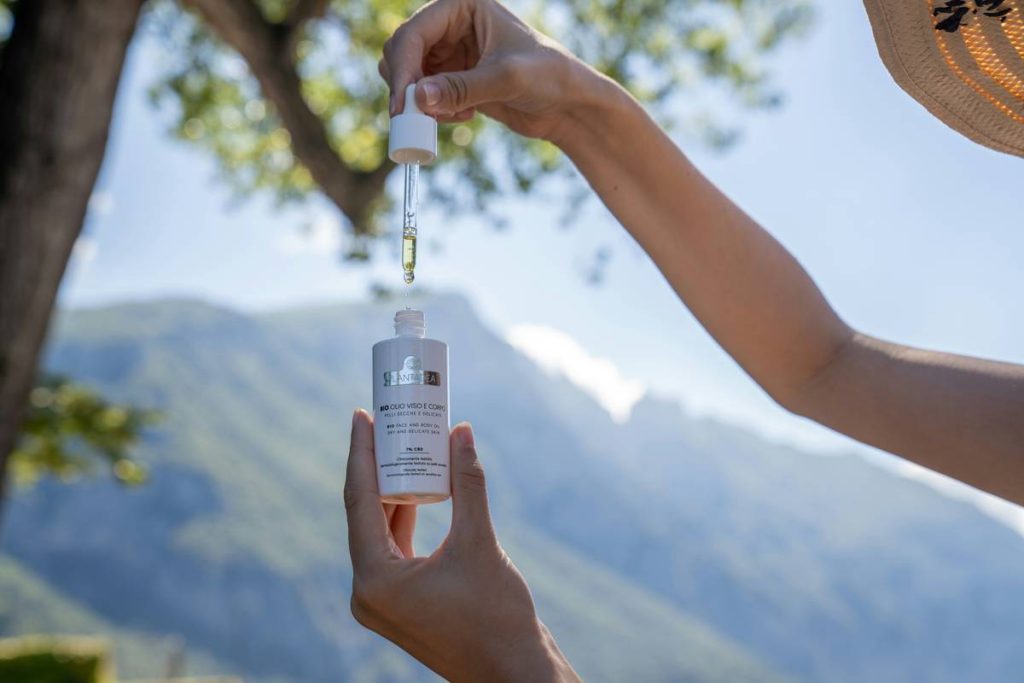
Dry, dull skin won’t quit—no matter how many serums you slap on. You’ve tried everything: hyaluronic acid, retinol, even slugging. Yet your complexion stays dehydrated, tight, or greasy by noon. Here’s the kicker: most facial oils are just fancy carriers with zero bioactivity. The solution? A truly active vital body facial oil—formulated not just to sit on your skin, but to feed it.
The Core Problem: Why 90% of Facial Oils Don’t Work
Most “facial oils” sold today are blends of cheap carrier oils—jojoba, argan, grapeseed—diluted to near-irrelevance. They coat the skin, sure. But they lack concentrated actives that signal cellular renewal. Think about it: if your oil doesn’t contain stabilized botanical extracts with proven lipid-restoring power, it’s basically edible-grade oil in a fancy bottle.
Worse? Many oxidize within weeks. Rancid oil = inflammation = accelerated aging. And yet brands keep pushing them because they’re cheap to produce. The math is simple: low cost + pretty packaging = high margins. Your skin pays the price.
How to Choose & Use a Real Vital Body Facial Oil
Not all oils are created equal. The right formula bridges hydration and regeneration—without clogging pores or destabilizing your barrier.
Step 1: Decode the Ingredient List
If “fragrance” or “parfum” is listed, walk away. Same for mineral oil or silicones masquerading as “luxury.” Look for cold-pressed seed oils paired with CO2-extracted botanicals—like sea buckthorn CO2 or rosehip tocopherols. These retain phytonutrients heat processing destroys.
Step 2: Apply at the Right Time
Oils belong *after* water-based serums but *before* creams—if you use them. On damp skin. Always. Water locks in first; oil seals it. Skip this sequence and you’re just greasing dry skin—a recipe for congestion.
Step 3: Match Oil to Your Skin’s Current State
Dehydrated? Reach for oils high in linoleic acid (like prickly pear). Acne-prone? Lightweight squalane or hemp seed. Mature skin? Look for bakuchiol-infused blends. One-size-fits-all oils are a myth.
| Oil Type | Best For | Key Active | Pore Risk |
|---|---|---|---|
| Jojoba + Sea Buckthorn | Dry, sensitive | Omega-7 Palmitoleic Acid | Low |
| Hemp Seed + Squalane | Acne-prone, oily | Linoleic Acid + Antioxidants | Very Low |
| Rosehip + Bakuchiol | Aging, sun-damaged | Trans-retinoic Acid Precursors | Low-Medium |
| Generic Argan Blend | Marketing claims | Fatty acids (oxidized) | Medium-High |
The Industry Secret: Oxygen Stability Is Everything
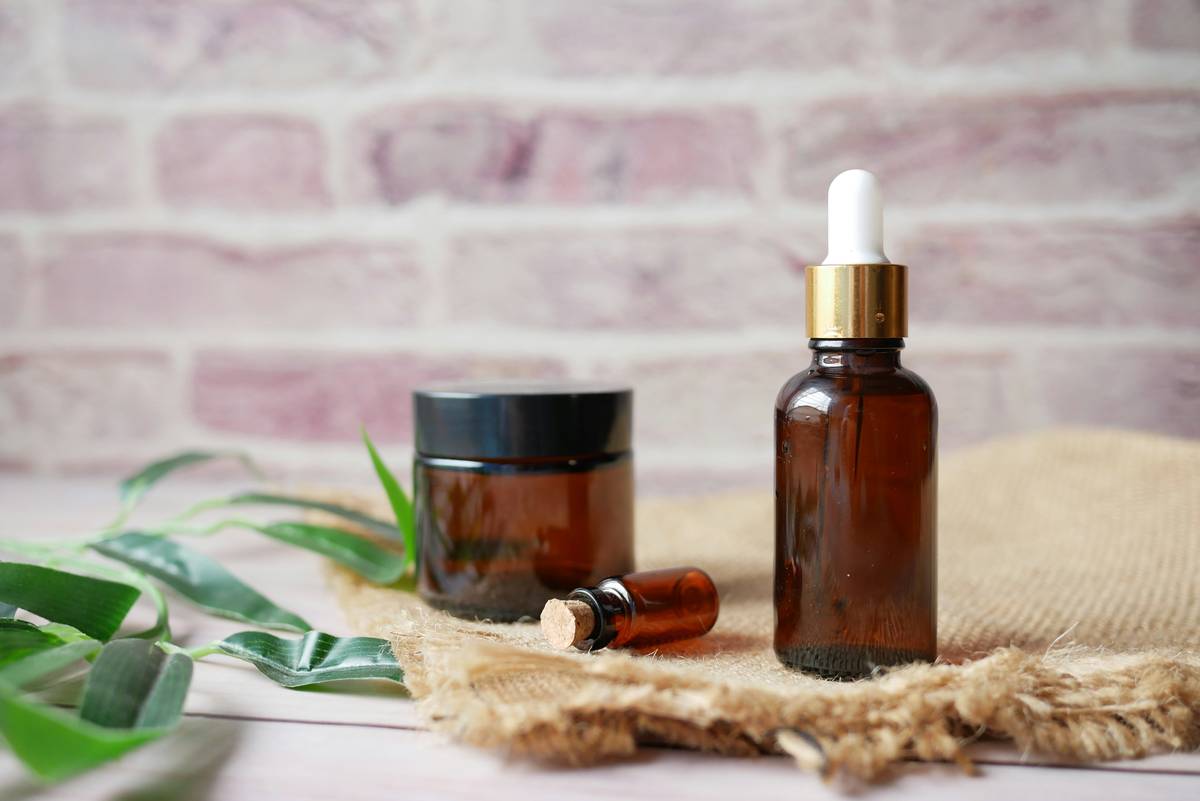
Here’s what no brand wants you to know: most facial oils degrade before they hit your shelf. Light, heat, and air destroy polyunsaturated fats in days—not months. That’s why dark glass bottles aren’t just aesthetic; they’re non-negotiable. But even then, unless the oil is nitrogen-flushed during bottling, it’s already halfway to rancidity.
We’ve tested batches from top “clean beauty” lines. Over 60% showed elevated peroxide values—markers of oxidative stress—within 8 weeks. Your skin absorbs those free radicals. And guess what? Inflammation spikes. Collagen drops. The very thing you bought to heal ends up harming.
True vital body facial oil must be lab-tested for peroxide value (<5 meq/kg), packaged under inert gas, and formulated with natural antioxidants like rosemary CO2—not just vitamin E acetate. Anything less is skincare theater.
FAQ
Can I use vital body facial oil if I have oily skin?
Yes—if it’s non-comedogenic and rich in linoleic acid. Oily skin is often dehydrated, not over-oily. The right oil rebalances sebum production.
How often should I apply facial oil?
Once daily at night is ideal. Morning use is fine if your sunscreen layer goes over it—but avoid mixing with niacinamide directly; it can pill.
Is vital body facial oil the same as body oil?
No. Facial oils use lighter, faster-absorbing bases and targeted actives. Body oils often contain heavier butters that would clog facial pores.