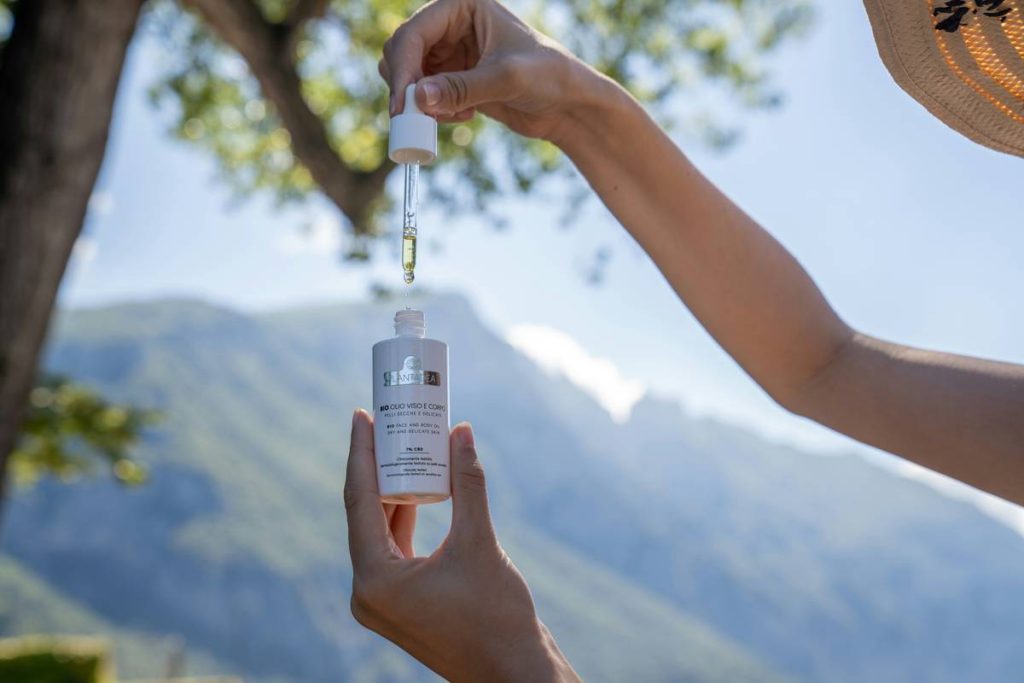
Oily skin doesn’t mean “oil-free.” In fact, stripping it dry backfires—hard. Most commercial “oil-control” products over-cleanse, triggering rebound sebum surges that leave you shinier by noon. The real fix? A custom facial oil for oily skin engineered to rebalance—not remove—your natural oils.
The Myth of Oil-Free Skincare for Oily Types
“Oil-free” labels are marketing theater. They ignore biology. Your sebaceous glands don’t shut off because you avoid oils—they compensate. Harsh sulfates, alcohol toners, and clay masks create a false sense of control. Then, 3 hours later: slick T-zone, clogged pores, and inflammation.
And here’s the kicker: many so-called “non-comedogenic” plant oils still oxidize quickly on oily skin, turning rancid and feeding acne. Not all oils are created equal. You need precision—not promises.
How to Build Your Custom Facial Oil for Oily Skin
Forget one-size-fits-all serums. A true custom blend targets your specific triggers: humidity response, pore size, hormonal shifts. Start with this framework:
Select Your Base Oil Like a Chemist
Go for lightweight, high-linoleic oils. Jojoba mimics sebum but won’t clog—ideal for regulating production. Squalane (not squalene) absorbs instantly without residue. Avoid coconut, wheat germ, or flaxseed—they’re comedogenic landmines for oily complexions.
Add Actives That Talk to Your Pores
Niacinamide in oil-soluble form (like ethyl nicotinate) reduces sebum output at the source. Green tea seed oil delivers EGCG directly to follicles, calming redness. And a drop of rosemary CO2 extract? It suppresses 5α-reductase—the enzyme that turns testosterone into pore-clogging DHT.
Dilute Essential Oils—Safely
Lavender and tea tree get all the hype. But undiluted, they irritate. Stick to ≤0.5% concentration. Better yet: skip them entirely during breakouts. Essential oils don’t treat acne—they mask it while sensitizing your barrier.
| Base Oil | Comedogenic Rating | Key Benefit for Oily Skin | Max % in Blend |
|---|---|---|---|
| Jojoba Oil | 2 | Mimics sebum, signals glands to slow production | 60% |
| Hemp Seed Oil | 0 | High in linoleic acid—repairs barrier, reduces inflammation | 40% |
| Squalane (Olive-Derived) | 0 | Weightless hydration without greasiness | 100% |
| Coconut Oil | 4 | Triggers micro-comedones—avoid | 0% |


The Industry Secret: Your Oil Should Change Weekly
Most DIY guides give you a static recipe. That’s naive. Oily skin isn’t static—it shifts with weather, stress, cycle phases. During humid weeks, lean heavier on squalane (it resists oxidation). In dry winter air, boost hemp seed oil for barrier support. Track your skin’s response like a biohacker: note shine levels at 2 PM, pore visibility under zoom, breakout frequency. Adjust ratios every 7 days. This dynamic approach is what dermatologists quietly use for resistant seborrhea—but rarely share because it doesn’t scale for mass-market bottles.
Frequently Asked Questions
Can oily skin really use facial oil?
Yes—if it’s non-comedogenic and high in linoleic acid. Oils like jojoba regulate sebum; skipping them worsens oiliness.
How often should I apply custom facial oil for oily skin?
Once nightly after water-based serums. Morning use depends on humidity—skip if you’re in a tropical climate or prone to midday shine.
What oils cause breakouts on oily skin?
Coconut, olive, and almond oils rank high on comedogenic scales. Even argan oil can clog if your skin is reactive. Always patch-test new blends for 5 days.