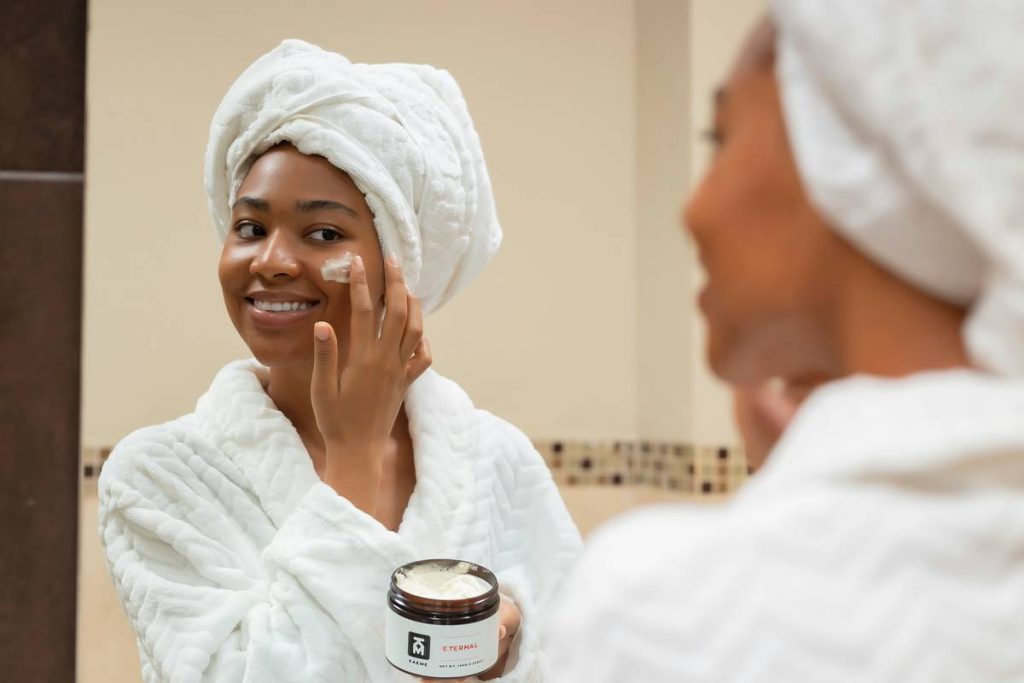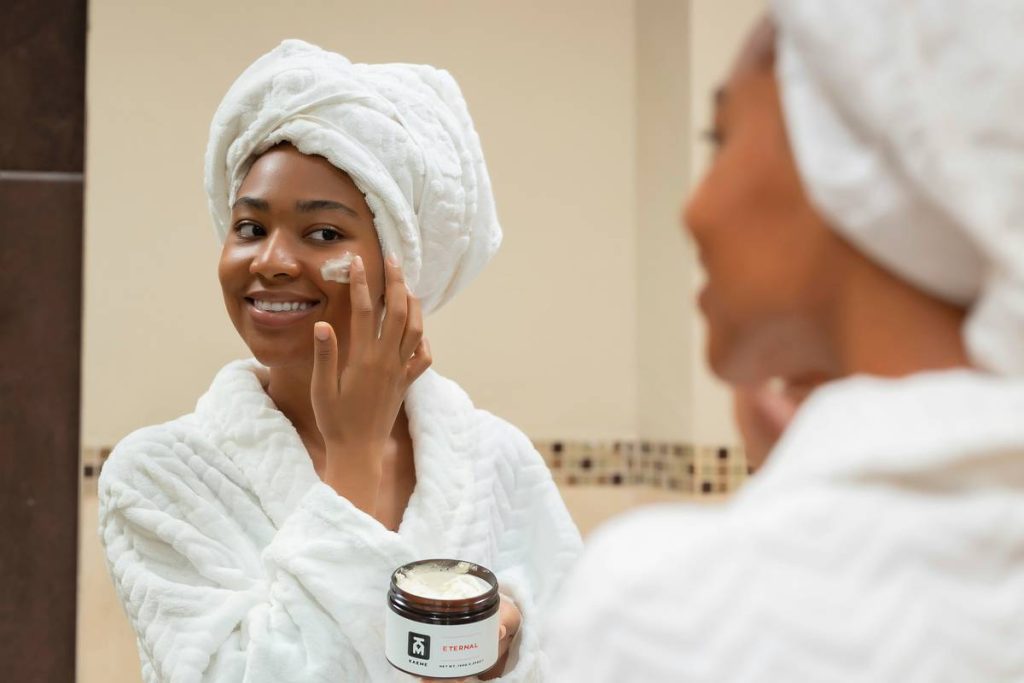
Dry, dull skin despite slathering on serums? You’re not alone. Most routines over-cleanse and under-nourish—stripping natural lipids then dumping water-based creams that evaporate by noon. But what if the fix was simpler—and oilier—than you think? Learning how to use oil on face correctly isn’t just about hydration—it’s about rebuilding your skin’s barrier from within.
Why Your Current Face Oil Routine Is Failing
You bought a fancy bottle. You applied it nightly. Yet your skin still flakes or breaks out. Here’s the reality: most people treat face oils like moisturizer substitutes. That’s backwards. Oils aren’t humectants—they don’t pull water into the skin. And if you layer them over dry skin or skip emulsification, they sit *on top*, clogging pores or creating a greasy film that attracts dirt.
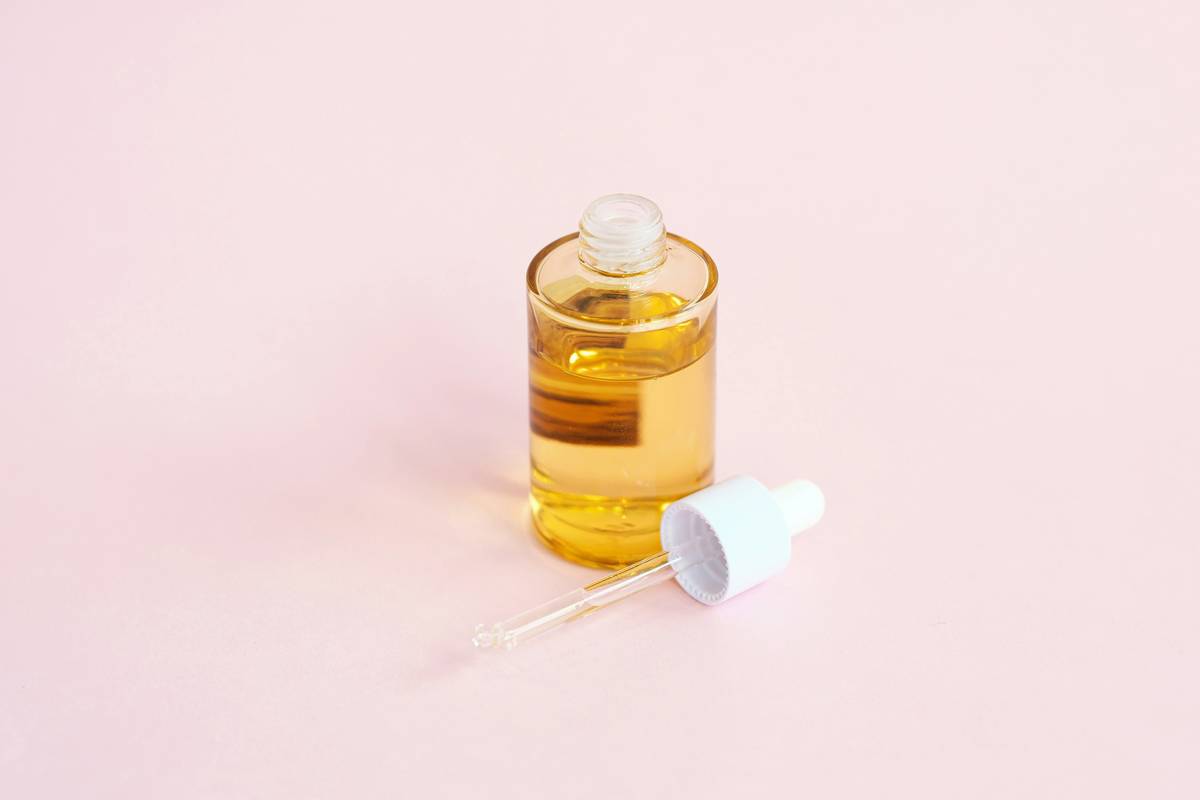
Worse? Many “natural” oils oxidize fast—especially when stored in clear dropper bottles near sunlight. Rancid oil = inflammation = more redness, not less.
How to Use Oil on Face: Step-by-Step Protocol
Timing Is Everything
Apply oil to damp skin—always. Pat your face dry after cleansing but leave surface moisture. This traps hydration underneath the lipid layer. Think of it like sealing a freshly painted wall.
Less Is More (Seriously)
Two to three drops for the entire face. Rub between palms first—this warms and thins the oil. Press, don’t rub, onto cheeks, forehead, chin. Avoid dragging; it stretches delicate tissue.
Layer Smartly
Oils go last—after water-based serums, before sunscreen (AM) or nothing (PM). Mixing oil with your moisturizer? Only if your cream is lightweight and non-comedogenic. Heavy creams + oils = pore traffic jam.
| Application Method | Efficacy | Risk of Breakouts | Best For |
|---|---|---|---|
| Oil on dry skin | Low | High | None—avoid |
| Oil on damp skin | High | Low (with right oil) | All skin types |
| Mixed with moisturizer | Moderate | Medium | Dry, non-acne-prone skin |
| As a makeup primer | Variable | High (if comedogenic) | Experienced users only |
The Industry Secret: Not All Face Oils Are Created Equal
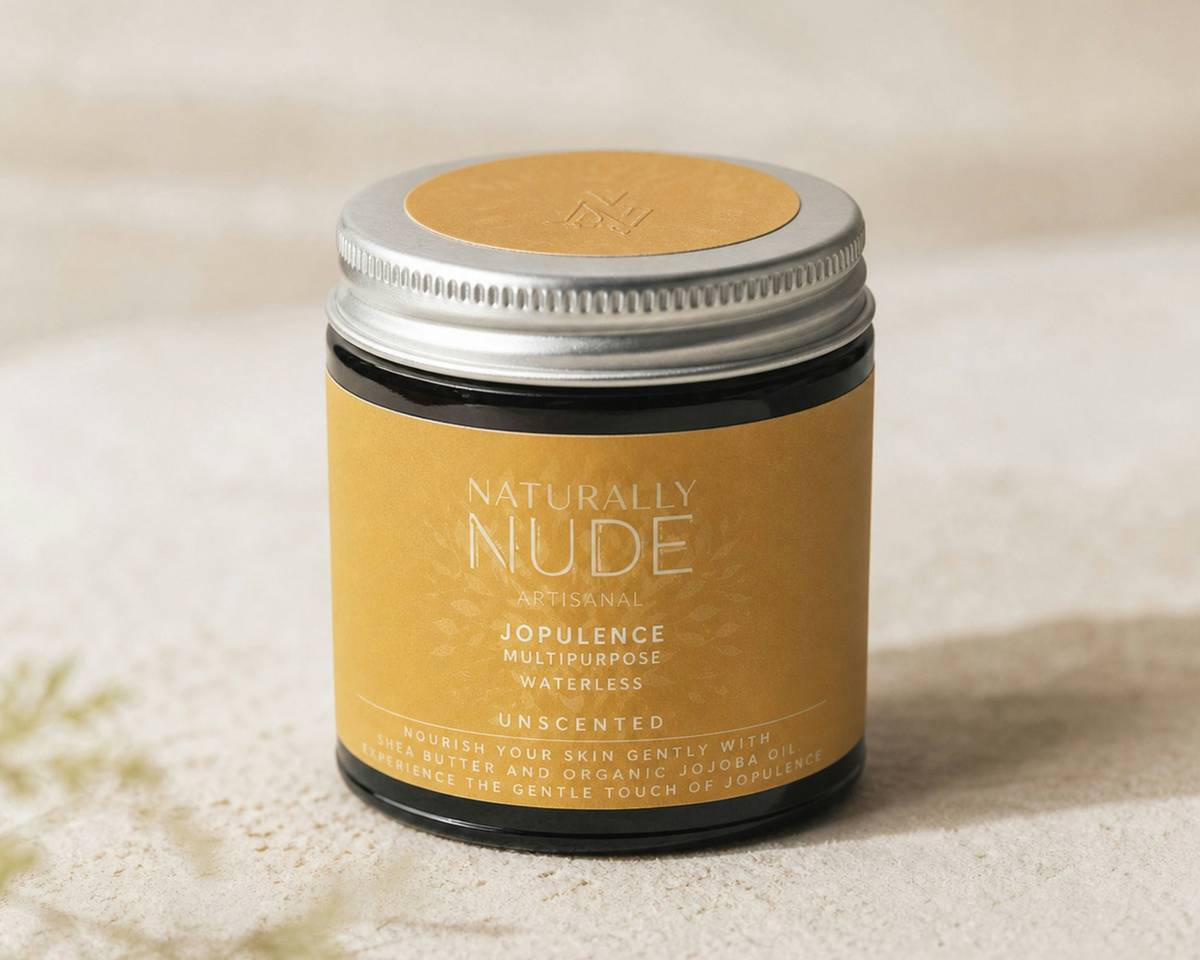
Here’s what formulators won’t volunteer: molecular weight determines everything. Jojoba mimics sebum—great for oily skin. Squalane sinks in fast without residue. But argan? Beautiful for dry patches—but can trigger congestion in T-zones if used undiluted.
And extraction method matters more than origin. Cold-pressed, unrefined oils retain antioxidants—but spoil faster. Refined versions last longer but lose efficacy. The math is simple: if your oil smells slightly nutty or earthy, it’s fresh. If it’s odorless or faintly rancid, toss it.
One dermatologist I consulted swears by blending rosehip (regenerative) with a drop of tea tree (antimicrobial) for acne-prone clients—but only at night, and never undiluted. Customization beats off-the-shelf promises every time.
FAQs About How to Use Oil on Face
Can I use face oil if I have oily skin?
Yes—if you choose non-comedogenic oils like squalane or jojoba. They regulate sebum production instead of adding grease.
Should I use face oil in the morning or at night?
Both work. At night, it boosts repair. In the morning, it seals in hydration—but always apply sunscreen after.
How long does it take to see results from face oil?
Barrier repair shows in 3–5 days: less tightness, fewer flakes. Full radiance takes 2–4 weeks of consistent use.