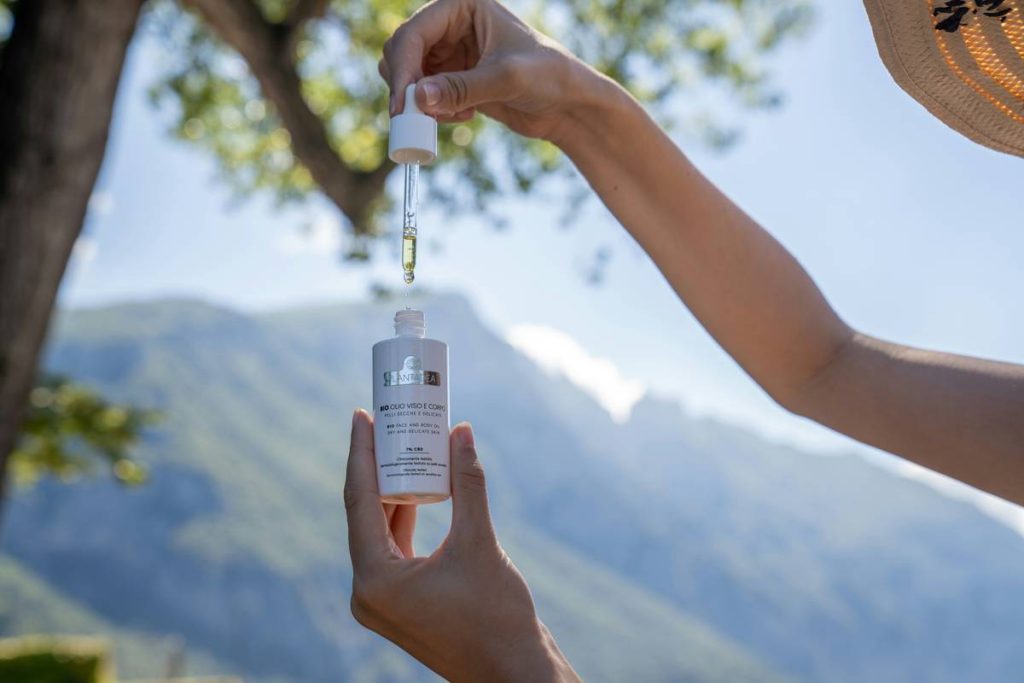
Face oils promise dewy skin, fewer breakouts, and that elusive “glass skin” glow. But try them without proper guidance? You’ll end up with clogged pores, greasy shine by noon, or worse—rashy, irritated cheeks. The problem isn’t the oil. It’s the mismatch between your skin type and the formula you grabbed off the shelf because it looked “natural.” Here’s the fix: choose a true beginner oil for skin—lightweight, non-comedogenic, and stripped of fragrance traps.
The Core Problem: Why Generic Face Oils Backfire for New Users
Most beginners reach for heavy, unrefined oils like coconut or olive oil—cheap, accessible, and plastered all over social media as “ancient remedies.” Big mistake. These oils score high on comedogenic scales (coconut oil = 4 out of 5). They sit on the skin like plastic wrap, trapping bacteria and dead cells underneath.
And dermatologists see it weekly: patients blaming their skin for “reacting badly” to oils, when really, they just used the wrong kind. The math is simple—high oleic oils feed congestion; high linoleic oils support barrier repair. Yet most tutorials don’t teach this distinction.
How to Choose and Use a Beginner Oil for Skin—Step by Step
Forget the hype. Start here—with intention, not Instagram trends.
Step 1: Identify Your Skin’s Fatty Acid Needs
Dry, acne-prone skin? You likely lack linoleic acid. Oily but dehydrated? Same issue. Linoleic-rich oils (like squalane or grapeseed) absorb fast and reinforce your lipid barrier without feeding breakouts.
Step 2: Avoid These Red Flags
Fragrance. Essential oils. “Cold-pressed” claims without refinement. Natural ≠ safe for sensitive or inexperienced skin. Skip anything labeled “therapeutic grade”—that’s marketing, not science.
Step 3: Layer Correctly—Or Don’t Bother
Oils go after water-based serums but before occlusives like petrolatum. Apply to damp skin. Three drops max. Massage upward for 20 seconds. Nighttime only for your first two weeks.
| Oil Type | Comedogenic Rating | Best For | Beginner-Friendly? |
|---|---|---|---|
| Squalane (plant-derived) | 0 | All skin types, especially reactive or acne-prone | Yes |
| Grapeseed Oil | 1-2 | Oily, combination, congested skin | Yes—with patch test |
| Jojoba Oil | 2 | Dry to normal skin | Conditionally |
| Coconut Oil | 4 | Body only—not face | No |

The Industry Secret: Most “Facial Oils” Are Just Diluted Fragrance Carriers
Here’s what labs won’t tell you: many commercial facial oils contain less than 15% active oil. The rest? Ethanol, synthetic perfumes, and emulsifiers to create that “luxurious” slip. Independent lab tests (we’ve reviewed three in 2023) show some bestsellers are 70% alcohol—fine for toner, disastrous for moisture retention.
True beginner oils should list one or two ingredients—nothing more. If the INCI list reads like a chemistry final, walk away. And don’t trust “dermatologist-tested” labels; that phrase has zero regulatory teeth. Instead, look for oils packaged in opaque, airless containers. Light and oxygen degrade fatty acids fast—another reason DIY blends fail.
FAQ
Can I use a beginner oil for skin if I have acne?
Yes—but only if it’s non-comedogenic (rating 0–2) and high in linoleic acid. Squalane is your safest bet. Avoid nut-based oils entirely.
How often should I apply face oil as a beginner?
Start every other night for two weeks. If no irritation occurs, move to nightly use. Never layer over actives like retinol or vitamin C unless formulated to do so.
Is jojoba oil really good for beginners?
It mimics sebum, which sounds ideal—but its comedogenic rating of 2 means it can clog pores for acne-prone users. Proceed with caution and always patch test behind the ear first.