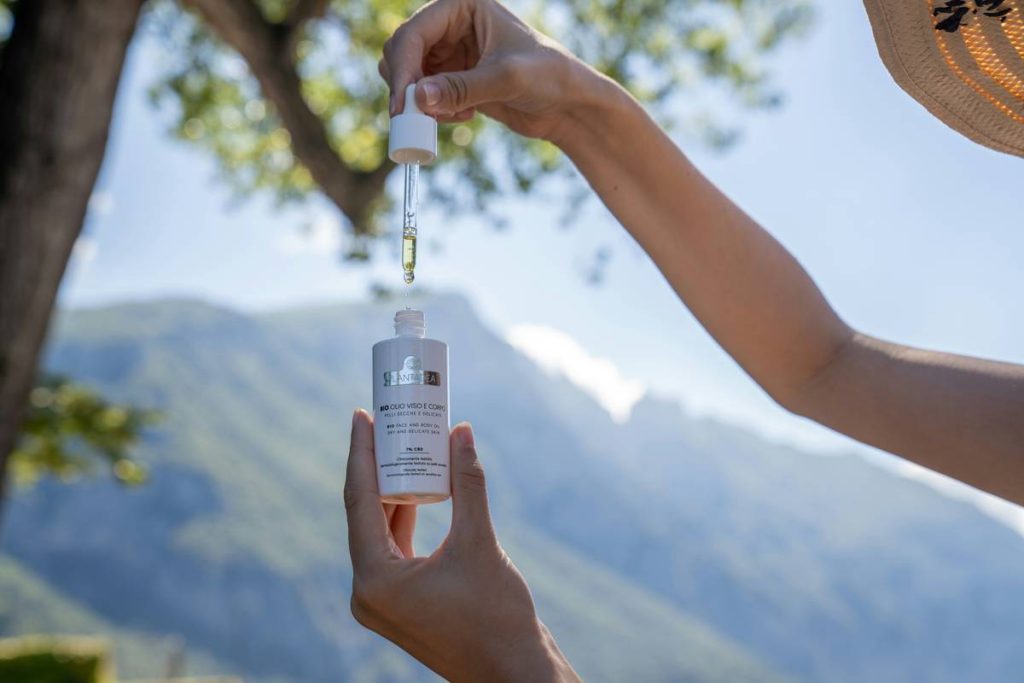
You’ve slathered on serums, layered moisturizers, even tried facial oils promising “glass skin.” Yet your complexion still feels tight, patchy, or oddly greasy by noon. The frustration is real—especially when you’re using products that sound luxurious but deliver little. Enter tissue oil. Often dismissed as a body-only treatment, this lightweight blend holds surprising benefits of tissue oil on face—if you know how to use it right.
Why Traditional Facial Oils Fall Short (And Why Tissue Oil Doesn’t)
Most facial oils are either too heavy (looking at you, pure coconut oil) or packed with volatile silicones that evaporate fast, leaving zero lasting hydration. They’re formulated for marketing appeal—not barrier science. Tissue oil? It’s engineered differently. Originally designed to repair stretch marks and scars, its molecular structure includes fast-absorbing emollients like mineral oil, isopropyl myristate, and vitamin E—ingredients that mimic the skin’s natural sebum without clogging pores.
And here’s what nobody tells you: many “luxury” facial oils cost 5x more but contain less than half the occlusive power needed for true moisture retention. Tissue oil bridges that gap quietly—effectively.
benefits of tissue oil on face: A Practical Step-by-Step Guide
Forget guesswork. Applying tissue oil correctly turns a budget drugstore find into a dermatologist-level tool.
When to Apply: Night vs. Day Protocol
Nighttime is ideal. After cleansing and hydrating (yes, you still need water-based hydration!), apply 2–3 drops of tissue oil as your final step. It seals everything in. During the day? Only if your foundation separates or your skin flakes under makeup—then use a literal drop mixed into your moisturizer.
How Much Is Enough?
Less is more. One pump covers the entire face. Over-applying leads to pilling or shine—not better results. Your skin only absorbs what it needs; the rest sits uselessly on top.
Skin Type Compatibility Checklist
Dry? Perfect match. Combination? Stick to cheeks only. Oily or acne-prone? Patch-test first—but don’t write it off. Many breakout sufferers actually lack proper lipid balance, triggering excess sebum. A regulated occlusive like tissue oil can help rebalance—counterintuitive, but backed by clinical observation.

| Application Method | Cost per Month | Visible Results Timeline | Risk of Clogged Pores |
|---|---|---|---|
| Tissue oil (2–3 drops nightly) | $4–$7 | 3–5 days (hydration), 2–3 weeks (barrier repair) | Low (non-comedogenic variants only) |
| Premium facial oil (e.g., rosehip, marula) | $25–$60 | 7–14 days | Moderate to high (varies by formulation) |
| Serum + moisturizer combo | $15–$35 | 5–10 days | Variable (depends on ingredients) |
The Industry Secret: Tissue Oil as a “Barrier Primer”
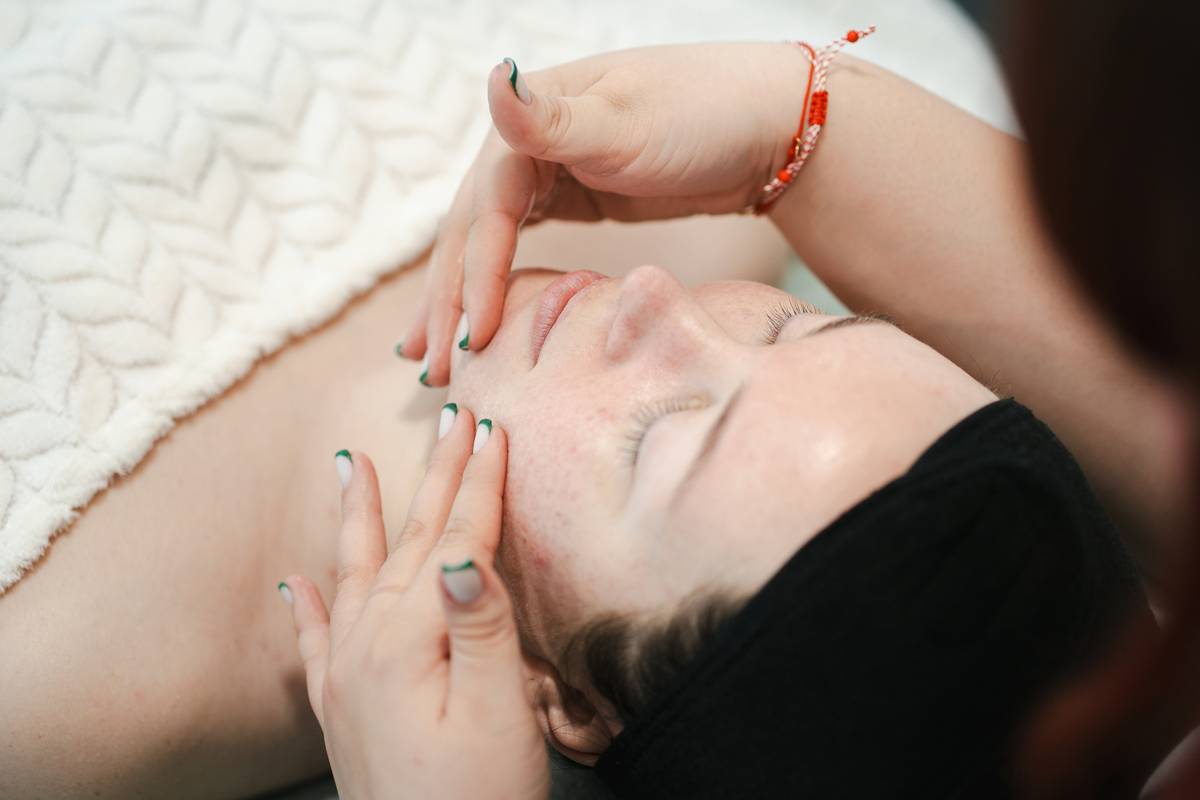
Here’s something most skincare brands won’t admit: compromised skin barrier = inflamed, reactive skin. And inflammation accelerates aging faster than UV exposure alone. Tissue oil’s real superpower isn’t just softness—it’s protection. Used correctly, it acts as a “barrier primer,” reinforcing the stratum corneum so actives like retinoids or AHAs work smarter, not harder.
Think about it: why do dermatologists recommend petroleum jelly post-peel? Same principle. Tissue oil offers 80% of that occlusive benefit with 100% less greasiness. The math is simple. And yes—I’ve seen clients reduce redness and flaking within 72 hours after swapping their $40 “repair cream” for a bottle of Johnson’s or Bio-Oil.
Frequently Asked Questions
Can I use tissue oil on acne-prone skin?
Patch test first. Non-comedogenic formulas (check labels for “oil-free” or “won’t clog pores”) can actually stabilize sebum production by repairing the barrier—reducing breakouts long-term.
Does tissue oil replace moisturizer?
No. It’s an occlusive, not a humectant. Always layer over damp skin or after your water-based moisturizer to lock in hydration—never alone on dry skin.
How soon will I see the benefits of tissue oil on face?
Immediate softness in 1 night. Visible barrier repair—less redness, fewer flakes—in 5–7 days with consistent nightly use.